For decades, gas was the default choice for heating, hot water, and cooking in Melbourne homes. That default is shifting fast. Rising gas prices, ageing appliances, and a wave of state government support have turned home electrification from a niche interest into a mainstream renovation decision. At Powerband Electrical, we’re seeing more Melbourne homeowners than ever asking the same question: is it time to go fully electric?
The short answer is Yes, for most households the economics and the environmental case now line up. But the path from a gas-reliant home to an efficient, all-electric one involves more than swapping a few appliances. It’s a coordinated upgrade of your home’s heating, hot water, cooking, and electrical infrastructure, and getting the sequence right matters just as much as getting the equipment right.
Why Melbourne Homeowners Are Electrifying Now
Victoria has set one of the most ambitious electrification timelines in the country. New home builds have moved away from gas connections, and regulatory changes are steadily narrowing the path for gas appliances to be repaired rather than replaced once they fail. That direction of travel is only going one way, and it’s pushing households to plan proactively rather than wait for a mid-winter hot water system failure to force the decision.
At the same time, the incentives to act have rarely been stronger. The Solar Homes Program continues to support solar panel and heat pump hot water installations, and the Victorian Energy Upgrades scheme offers point-of-sale discounts on efficient heating, cooling, and hot water products through accredited providers. Households that combine solar, battery storage, and electric appliances are increasingly able to run most of their home on power they generate themselves, insulating them from further gas price rises. It’s worth noting that eligibility settings do shift from year to year, including income thresholds for some rebates, so checking current criteria before committing to a project is a sensible first step.
What Home Electrification Actually Involves
Electrification isn’t a single product purchase, it’s a whole-of-home strategy. For most Melbourne properties, the transition touches four main areas:
Reverse-cycle heat pump systems (often marketed as split-system air conditioners) have become the standard replacement for gas ducted heating. They’re dramatically more efficient than gas because they move heat rather than generate it, and modern systems handle Melbourne’s cold snaps comfortably while also providing summer cooling from the same unit.
Heat pump hot water systems are now the leading electric replacement for gas storage or instantaneous units. They typically cut hot water energy use substantially compared to gas, and rebates have specifically targeted this category because it’s one of the highest-impact, most cost-effective upgrades available.
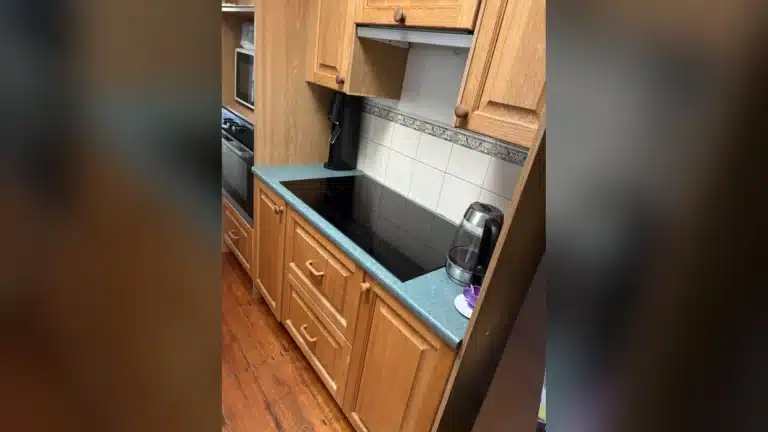
Cooktops have moved well beyond the early “different but not as good” reputation. Modern induction is faster than gas, safer (no open flame, cooler surrounding surfaces), and easier to clean. For many households, this is the smallest-ticket item in an electrification project but one of the most immediately noticeable day-to-day improvements.
Electrical capacity and switchboard readiness
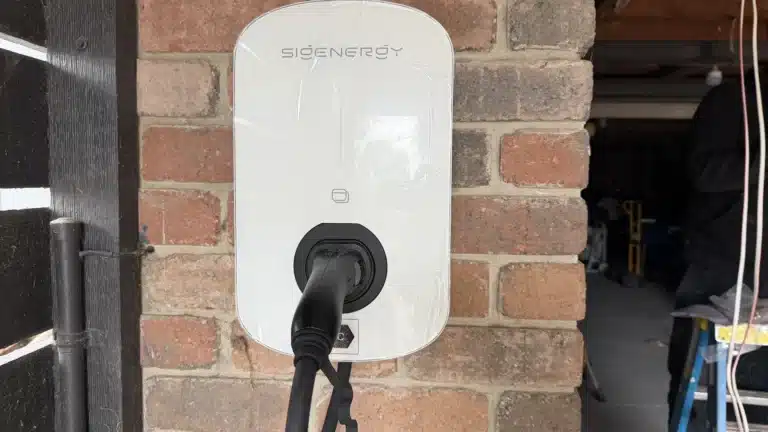
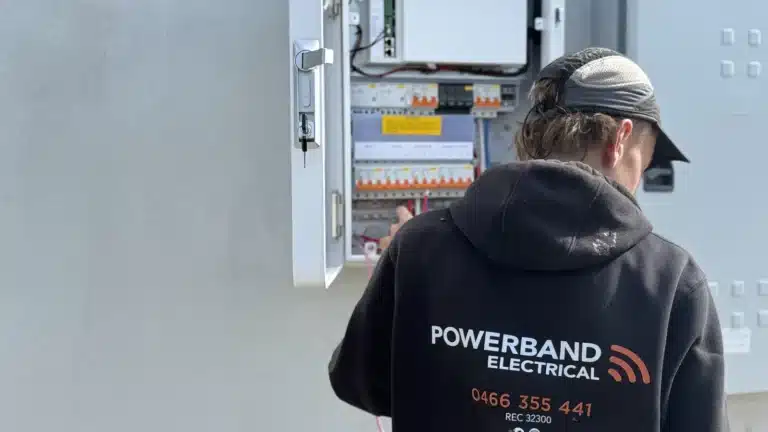
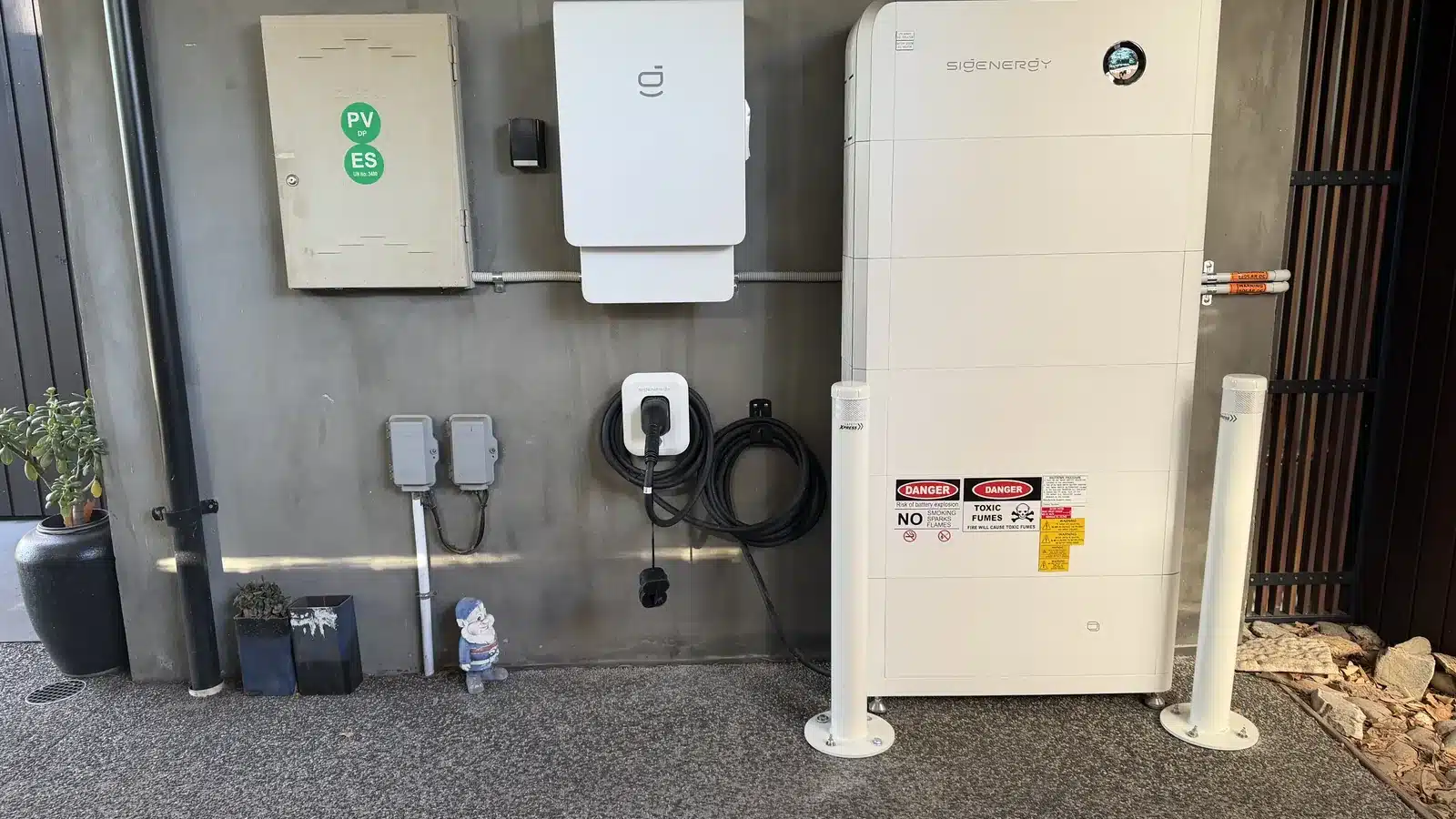
This is the part that’s easy to overlook and the part where a licensed electrician becomes essential. Adding a heat pump, induction cooktop, EV charger, and battery storage to a home that was wired decades ago for gas-dominant living often means your switchboard, circuits, and metering need an upgrade to handle the new load safely. Skipping this step is the most common reason electrification projects run into trouble after installation, not before it.
Where to Start: A Practical Sequence
Rather than tackling everything at once, most successful electrification projects follow a logical order:
- Get an electrical assessment first. Before any appliance is chosen, a licensed electrician should assess your switchboard capacity, existing circuits, and whether your connection can support the additional load you’re planning, including future additions like an EV charger.
- Replace hot water and heating as they age out, or proactively if your systems are old. These are the highest energy users in a typical home and the categories with the strongest rebate support.
- Add solar if you haven’t already, and size it for an electric future, not just your current usage. A system sized only for today’s appliances will likely be undersized once heating, hot water, and cooking are all running on electricity.
- Consider battery storage once your generation and consumption patterns are established. This step is often best done after a few months of monitoring your new electric loads against your solar output.
- Finish with cooking and any remaining minor appliances. These are lower-impact but complete the transition away from gas entirely, which can also let you cancel a gas connection and its associated supply charges.
Common Questions We Hear from Melbourne Homeowners
“Will my old wiring cope?” Sometimes yes, often it needs attention. Homes built or last rewired more than 20–25 years ago frequently have switchboards that weren’t designed for today’s load profile. A proper assessment removes the guesswork.
“Is induction cooking really as good as gas?” For heat control and speed, most people find it equal to or better than gas within a few weeks of use. The main adjustment is using induction-compatible cookware.
“Do I need a battery to make this worthwhile?” No. Solar plus efficient electric appliances delivers strong savings on its own. A battery adds resilience and can improve the economics further, but it’s a “when,” not a “must,” for most households.
“What about rebates?” Support is available through a combination of state programs covering solar, hot water, and efficient heating and cooling, typically delivered as point-of-sale discounts through accredited providers rather than a single lump-sum rebate. Because eligibility criteria and funding levels are updated periodically, it’s worth confirming current settings at the time you’re ready to proceed.
Getting It Right the First Time
The households that get the most value from electrification are the ones who treat it as a planned project rather than a series of one-off appliance replacements. That starts with an honest look at your home’s electrical foundation, a realistic sequence for the upgrades, and sizing decisions that account for where your energy use is heading, not just where it is today.
If you’re considering the switch, Powerband Electrical can assess your home’s current capacity, talk through what upgrades make sense for your household, and help you sequence the work so each step builds toward a home that’s fully electric, efficient, and ready for whatever comes next, whether that’s an EV in the driveway or a battery in the garage.
Get in touch with Powerband Electrical to book a home electrification assessment for your Melbourne property.